



Apr - 06 - 2026
Vien Giac Pagoda Hoi An is a peaceful spiritual site located just outside the busy streets of the Ancient Town. While many travelers focus on lantern-lit markets and popular landmarks, this active Buddhist pagoda offers a quieter glimpse into Hoi An’s living culture and religious traditions. Often overlooked by visitors, Vien Giac Pagoda rewards those seeking tranquility, traditional architecture, and a more authentic local experience. In this GTrip guide, you'll discover its history, architectural highlights, meaningful activities, and practical tips for visiting.
Overview of the Vien Giac Pagoda Hoi An
- Address: No. 34 Hung Vuong Street, Hoi An Ancient Town, Hoi An Ward (formerly Cam Pho Ward, Hoi An City, Quang Nam Province), Da Nang City
- Opening hours: All day (from approximately 5:00 AM to 9:00 PM), as it is an active monastery
- Entrance fee: Free
- Best time to visit: Early morning (7:00 AM - 9:00 AM) or late afternoon (4:00 PM - 6:00 PM) to avoid the midday heat, experience the peaceful ambiance, and potentially observe monks during their chanting sessions.
Vien Giac Pagoda Hoi An, also known as Cam Ly Pagoda or Cam Pho Pagoda, is a peaceful Buddhist sanctuary located just outside the busiest streets of Hoi An Ancient Town. Although less crowded than many famous temples in the area, the pagoda offers a quiet spiritual atmosphere where locals come to pray, meditate, and honor Buddhist traditions. Its simple architecture, shaded courtyard, and calm surroundings create a relaxing space for visitors seeking a deeper cultural experience.
Beyond its religious role, the pagoda also reflects the long-standing Buddhist heritage of Hoi An. With its traditional gate, incense-filled altar, and serene statues, Vien Giac Pagoda provides a glimpse into the spiritual life of the local community while offering travelers a tranquil break from the bustling tourist routes.
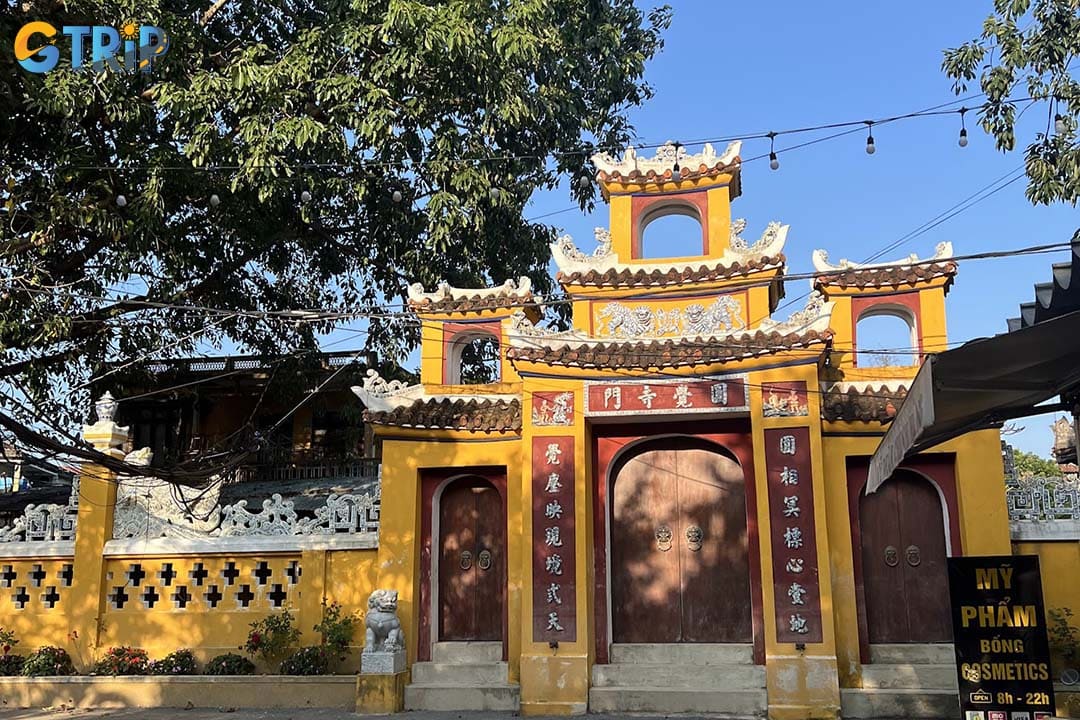
Vien Giac Pagoda offers a quiet spiritual atmosphere where locals come to pray, meditate, and honor Buddhist traditions
History of the Vien Giac Pagoda Hoi An
The pagoda’s past is closely tied to both the changing landscape of Hoi An and the local Buddhist community. These key dates help illustrate how Vien Giac Pagoda evolved into the spiritual site visitors see today:
- 1841: This is the confirmed year when Vien Giac Pagoda was established at its current location in Tu Le Hamlet, Cam Pho Village. Before this period, the pagoda was situated in Xuyen Trung Hamlet, but the severe erosion of the Thu Bon River forced the community to relocate the sanctuary to more stable ground.
- The 19th Century and earlier: Local history suggests that the pagoda may have been built on the ruins of an ancient Chinese temple. During this era, the Thu Bon River flowed directly in front of the pagoda. Over time, alluvial deposits expanded the land, leading to the development of the bustling markets and residential areas seen today.
- 1950: A significant shift in management occurred this year. While the pagoda was originally looked after by the local villagers of Cam Pho, it has since been managed and maintained by official Buddhist monks.
Architecture of the Vien Giac Pagoda Hoi An
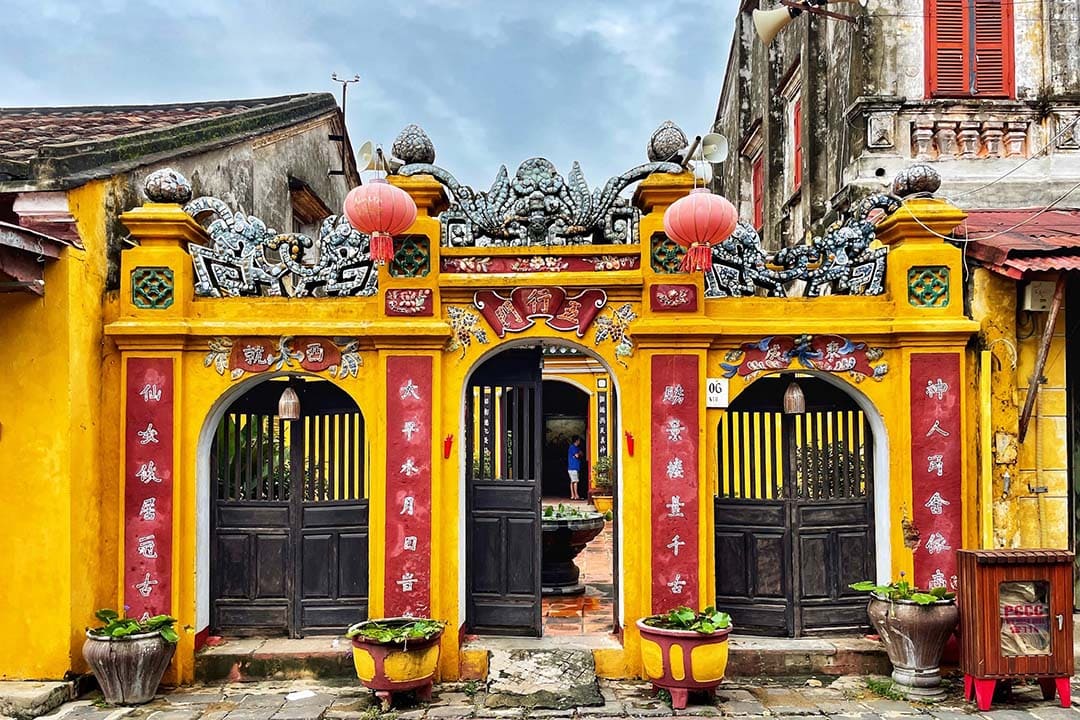
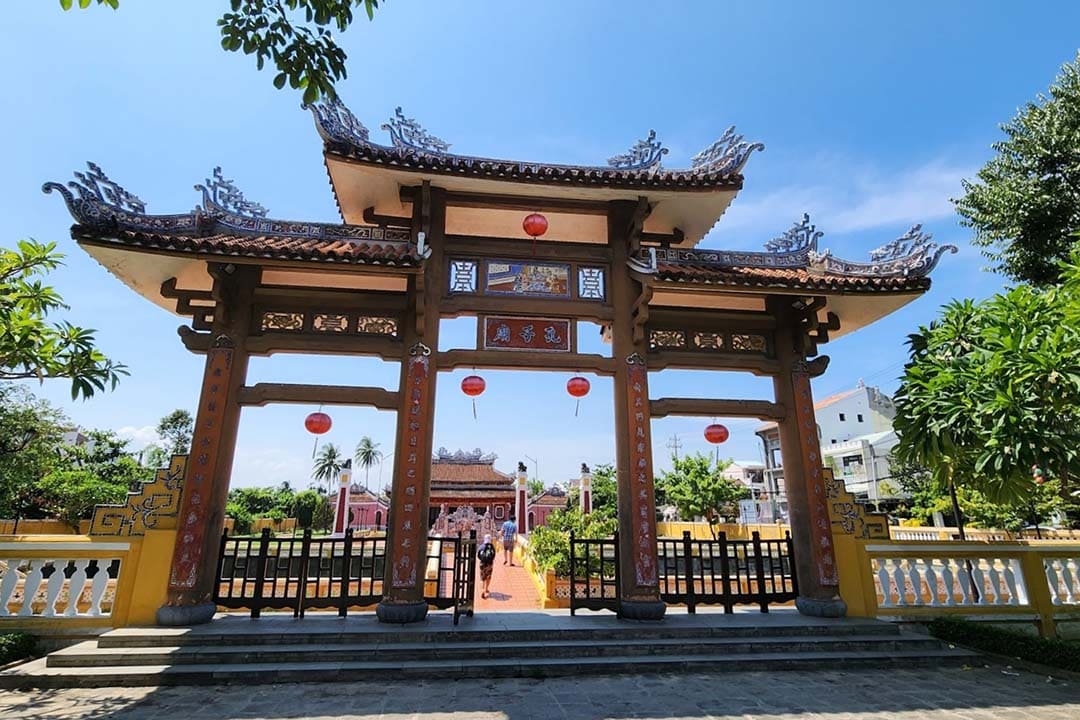
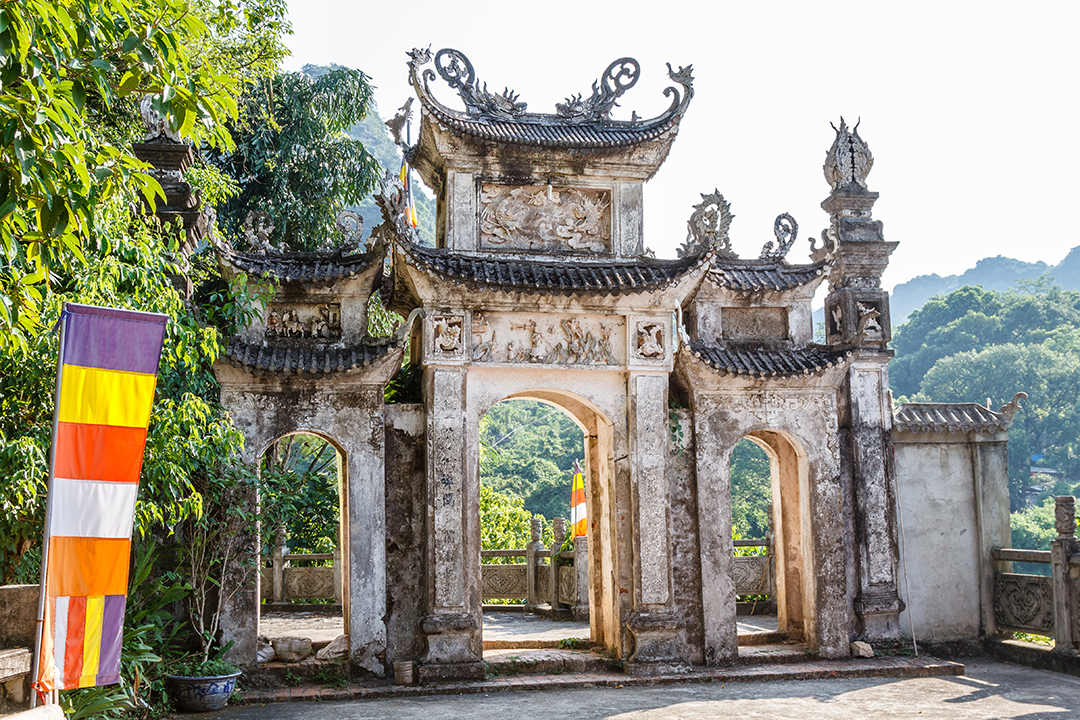
The architecture of Vien Giac Pagoda is a harmonious blend of traditional spiritual layout and modern restoration. Visitors enter through a traditional three-entrance gate, which opens into a lush front garden filled with meticulously shaped bonsai trees. The complex follows a classic structure including the central main hall, the west house, the east house, and the ancestor house.
During the major restoration in 1990, much of the original wooden framework in the main halls was replaced with durable concrete and cement. Inside the Main Hall, the pagoda enshrines Shakyamuni Buddha, Quan The Am Bo Tat (Lady Buddha), and Mahasthamaprapta. The Ancestor House is dedicated to Bodhidharma, the legendary first patriarch of Chan Buddhism, symbolizing the deep spiritual roots of the temple.
Things to do at Vien Giac Pagoda Hoi An
Visiting Vien Giac Pagoda is more than just a sightseeing stop. It is an opportunity to immerse yourself in the living heritage of Central Vietnam. The temple provides a variety of meaningful activities for every traveler.
1. Admire the unique temple architecture
One of the first things visitors notice at Vien Giac Pagoda is its traditional Vietnamese Buddhist layout. The complex begins with a three-entrance gate leading to a small garden and a courtyard filled with carefully trimmed bonsai trees. From here, the main axis guides visitors toward the Main Hall, which is the spiritual center of the pagoda.
Although the pagoda underwent a major restoration in 1990, the design still preserves a classic temple structure with the main hall in the middle, flanked by the west house and east house. The curved roofs, simple ornamental details, and quiet courtyard together create a harmonious architectural ensemble typical of Buddhist temples in central Vietnam.
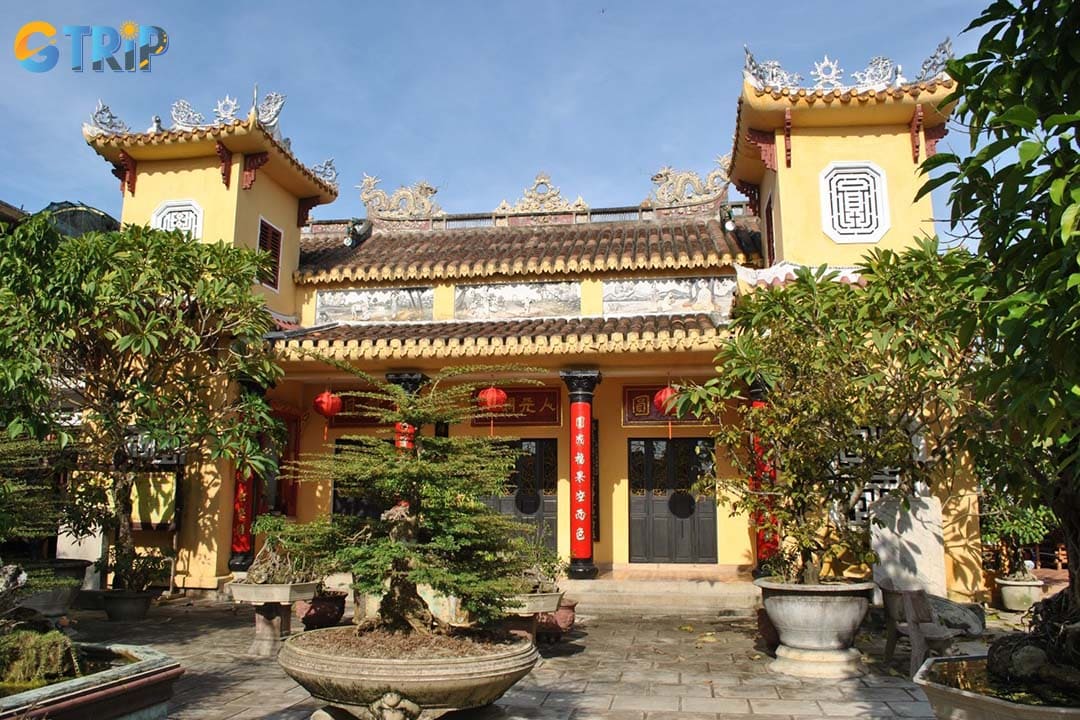
The architecture of Vien Giac Pagoda is a harmonious blend of traditional spiritual layout and modern restoration
2. Learn about Buddhist beliefs and local history
Visiting Vien Giac Pagoda is also an opportunity to understand the religious history of Hoi An. Inside the Main Hall, the central altar is dedicated to Shakyamuni Buddha (Phat Thich Ca), accompanied by statues of Avalokiteshvara (Quan The Am Bo Tat) and Mahasthamaprapta (Dai The Chi Bo Tat). Those figures represent compassion, wisdom, and spiritual guidance in Mahayana Buddhism.
Another interesting highlight is the ancestor hall, where visitors will find the statue of Bodhidharma, the legendary monk credited with bringing Zen Buddhism (Thien tong) to China. His presence here reflects the historical cultural exchange between Vietnamese and Chinese communities that shaped Hoi An during its time as a bustling international trading port.
3. Experience a peaceful spiritual atmosphere
Unlike the busy temples inside the Ancient Town, Vien Giac Pagoda offers a much quieter and more contemplative environment. Located slightly outside the main tourist area, the pagoda is surrounded by local houses and small streets, giving it the feel of a neighborhood sanctuary rather than a crowded attraction.
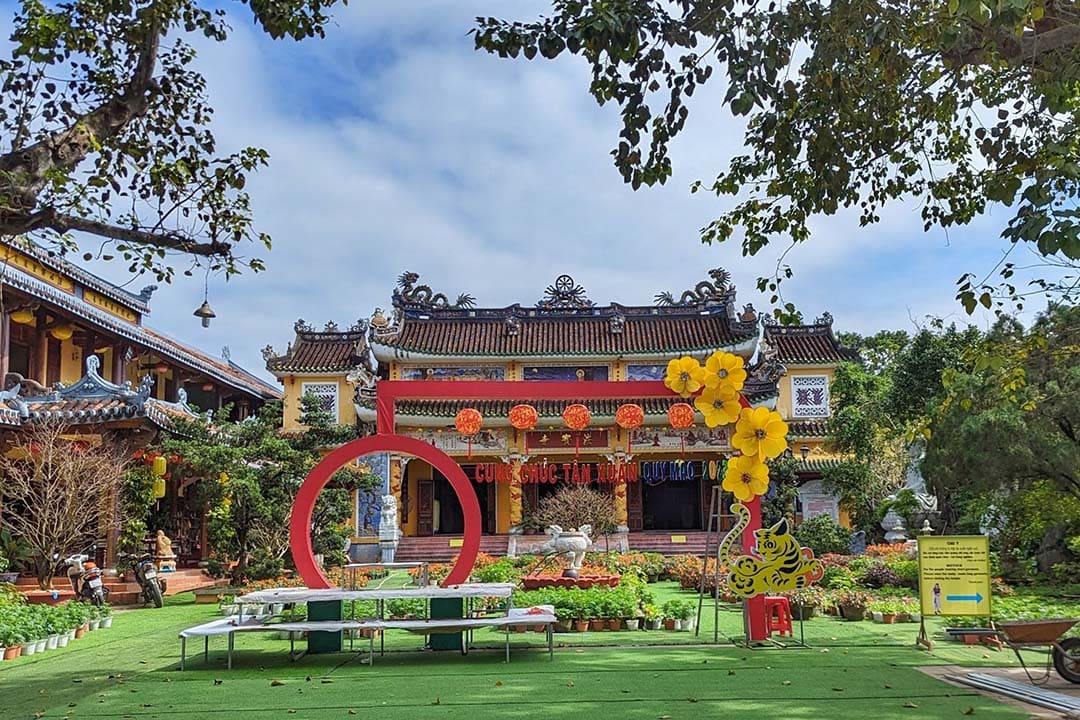
As you walk through the courtyard, you may hear the soft rustling of leaves from the bonsai garden, the distant sound of temple bells, and the gentle scent of incense drifting through the air. These subtle sensory details create a calming atmosphere that encourages visitors to slow down, reflect, and appreciate the spiritual side of Hoi An.
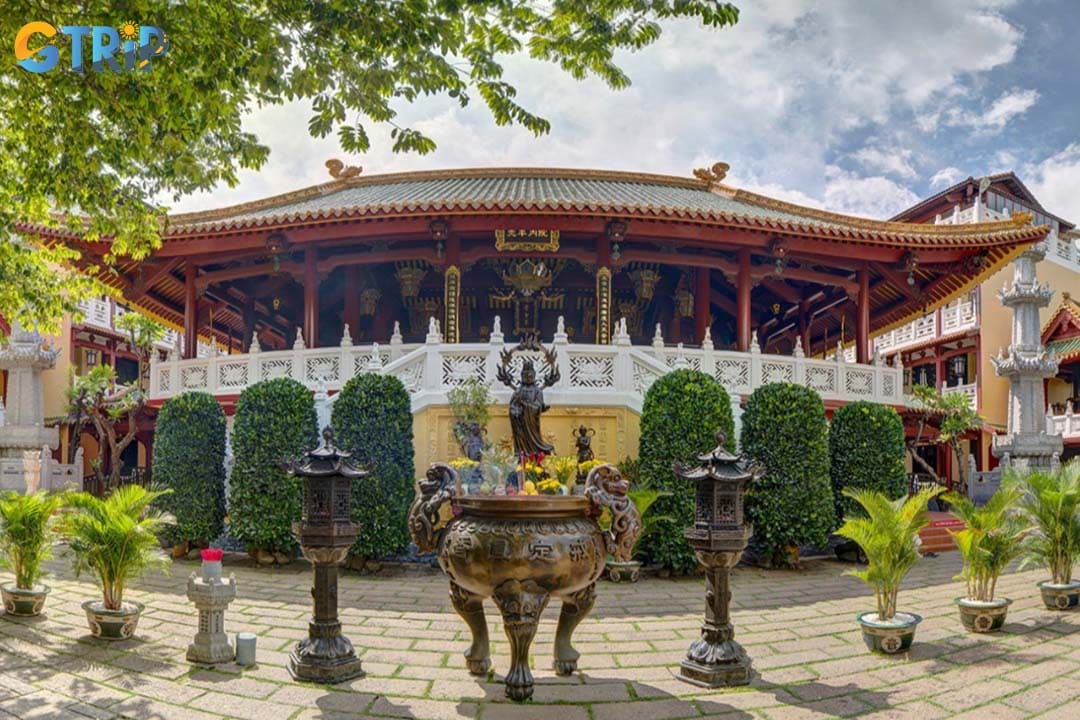
The courtyard of Vien Giac Pagoda provides a peaceful atmosphere for visitors to slow down and enjoy
4. Observe daily worship and local rituals
Vien Giac Pagoda remains an active place of worship for residents. Throughout the day, you may see people lighting incense, offering fruit or flowers at the altar, and quietly praying for health, happiness, or success.
The pagoda becomes especially lively on the 1st and 15th day of each lunar month, when many locals visit to perform traditional Buddhist rituals. During these times, visitors can observe monks chanting scriptures and devotees participating in prayer ceremonies.
5. Join local festivals and Buddhist celebrations
If you visit during important Buddhist holidays, Vien Giac Pagoda may host special ceremonies, offerings, and communal prayers. Festivals such as Vesak (Buddha’s Birthday) or other lunar celebrations often bring together monks and local residents for spiritual gatherings.
These events provide a deeper cultural experience beyond sightseeing. Visitors can watch ritual activities, observe the preparation of offerings, and learn about the meaning behind the ceremonies. For travelers interested in the cultural context, joining a guided visit with a local guide can help explain the symbolism, traditions, and etiquette associated with these Buddhist celebrations.
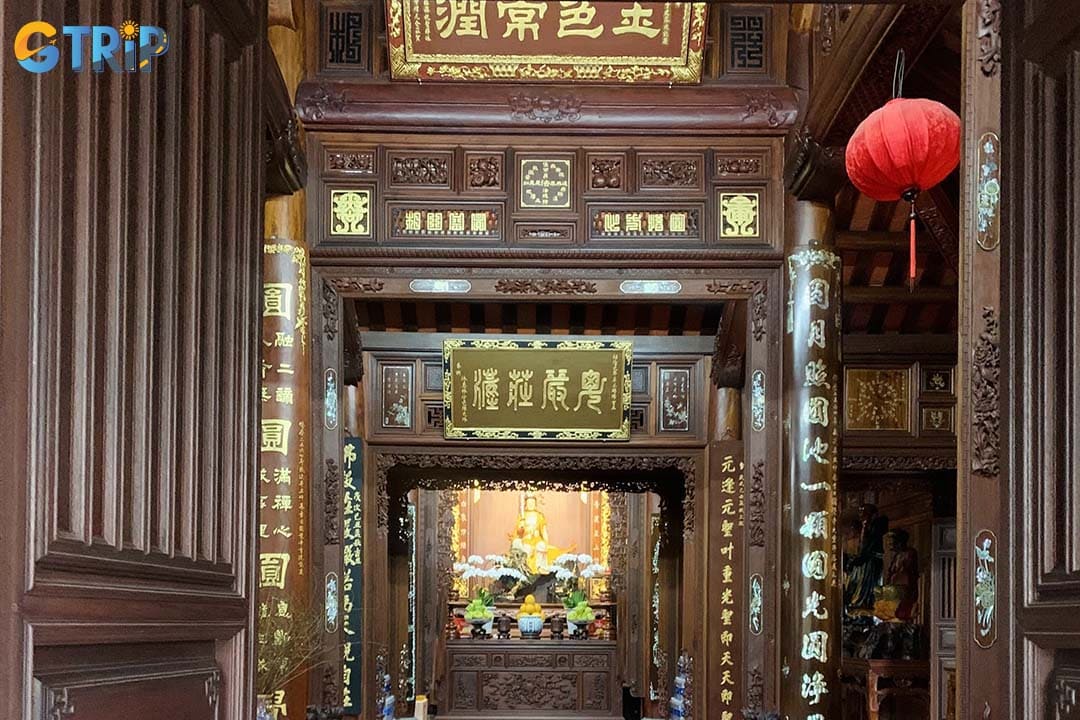
Vien Giac Pagoda remains an active place of worship for local residents
How to get to Vien Giac Pagoda Hoi An?
Beyond its historical significance and unique architecture, Vien Giac Pagoda offers visitors a deep dive into the spiritual life of Hoi An. Here are some ways to get to this pagoda.
From Da Nang International Airport
The journey from the airport to Vien Giac Pagoda takes you along some of the most beautiful coastal roads in Central Vietnam. Most travelers head south via the Vo Nguyen Giap or Lac Long Quan roads.
- Distance: Approximately 30 km
- Travel time: 45-60 minutes
- Routes: Lac Long Quan or Vo Nguyen Giap coastal roads
- Optimal option: Private car or taxi for a direct and comfortable transfer
From Da Nang City center
Departing from Da Nang City center, you can easily reach the pagoda by following the main highways leading to Hoi An. This route is straightforward and offers views of the Marble Mountains.
- Distance: 30 km
- Travel time: 45 minutes
- Routes: Le Van Hien Street or the Da Nang - Hoi An coastal road
- Optimal option: Grab/XanhSM car or motorbike for flexibility
From around Hoi An Ancient Town
Since the pagoda is located at 34 Hung Vuong, it is very close to the heart of the Ancient Town. It is an ideal stop for those exploring the Hoi An Ward.
- Distance: 1-2 km (depending on your specific location in town)
- Travel time: 5-10 minutes
- Routes: Hung Vuong Street
- Optimal option: Walking or cycling for an eco-friendly experience
Transportation options
Choosing the right transport depends on your starting point and preference. Since the pagoda is outside the walking-only zone, motorized vehicles have easy access.
- Walking/Cycling: Best for tourists staying within Hoi An city.
- Motorbike/Scooter: Convenient for solo travelers; free parking is available inside the pagoda.
- Taxi/Ride-hailing: Ideal for families or groups wanting to avoid the heat.
- Rickshaw: A traditional and leisurely way to arrive in the ancient town.
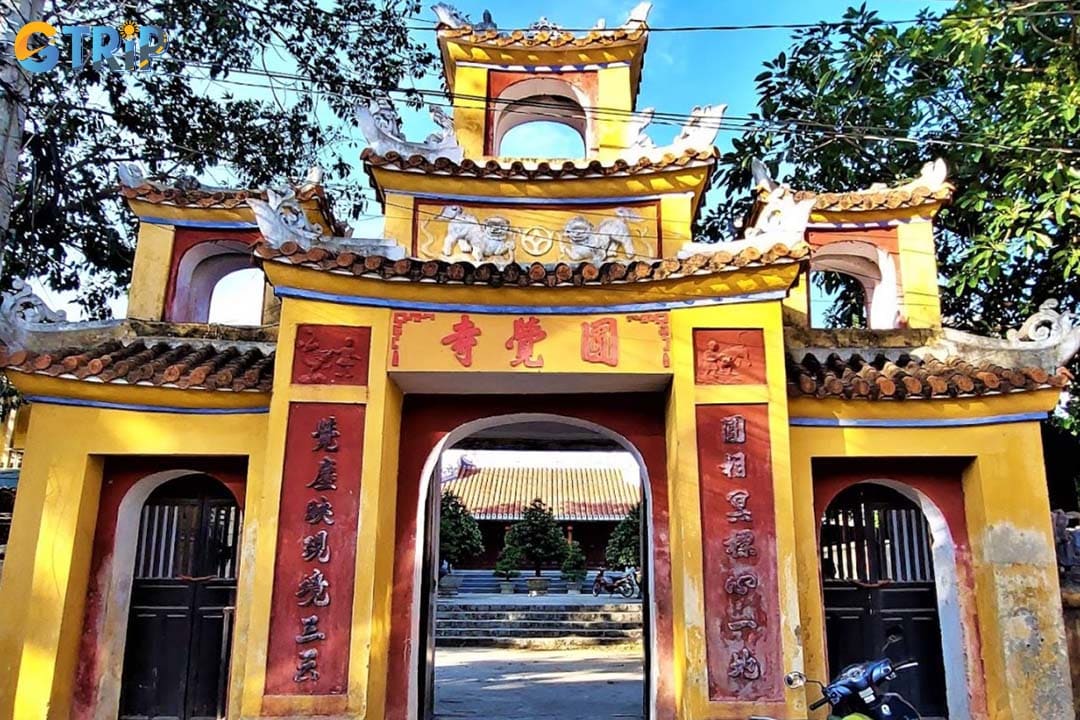
You can easily get to Vien Giac Pagoda by many means of transportation
Nearby attractions to the Vien Giac Pagoda Hoi An
One of the best aspects of visiting Vien Giac Pagoda is its proximity to other major attractions. You can easily combine your visit into a half-day or full-day exploration of Hoi An.
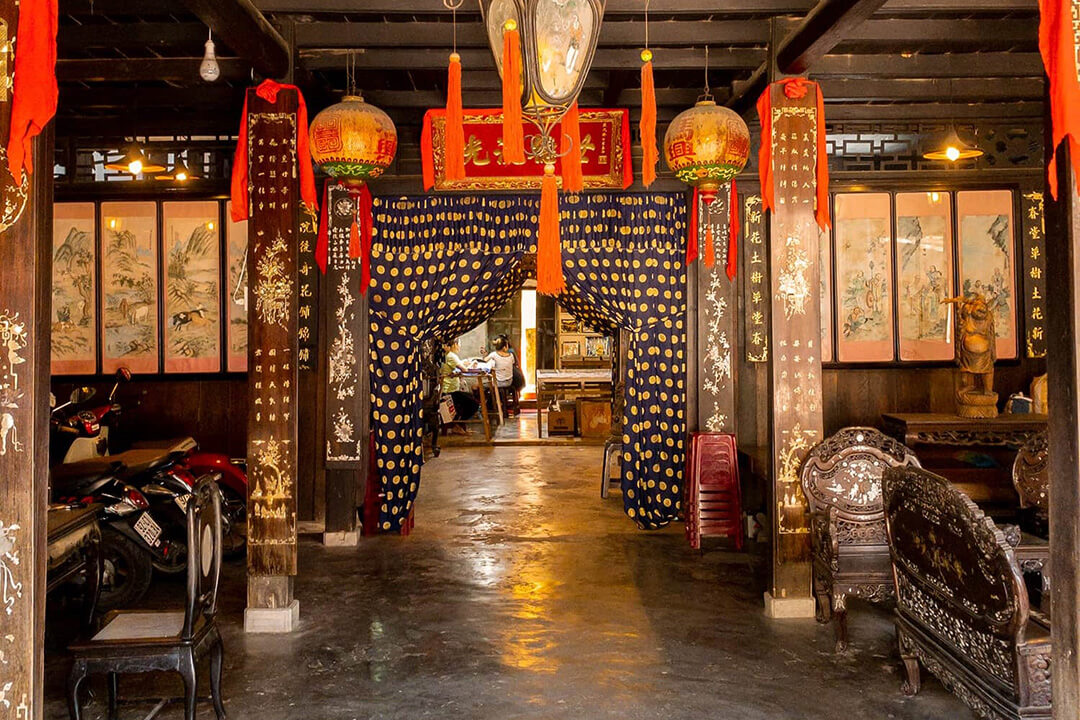
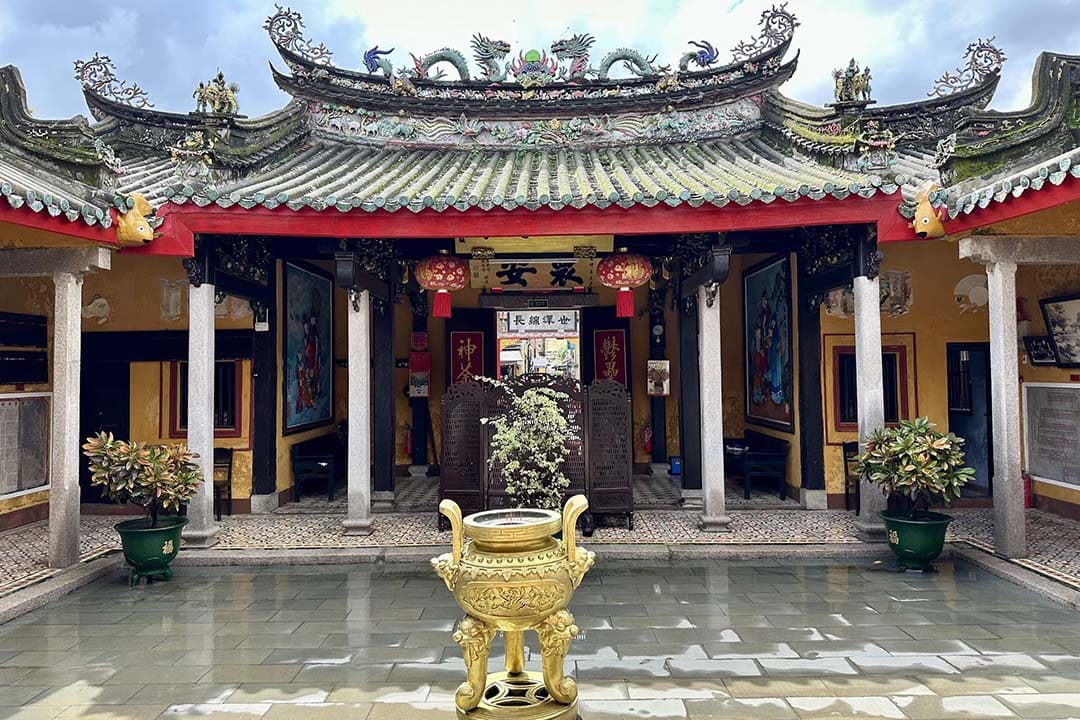
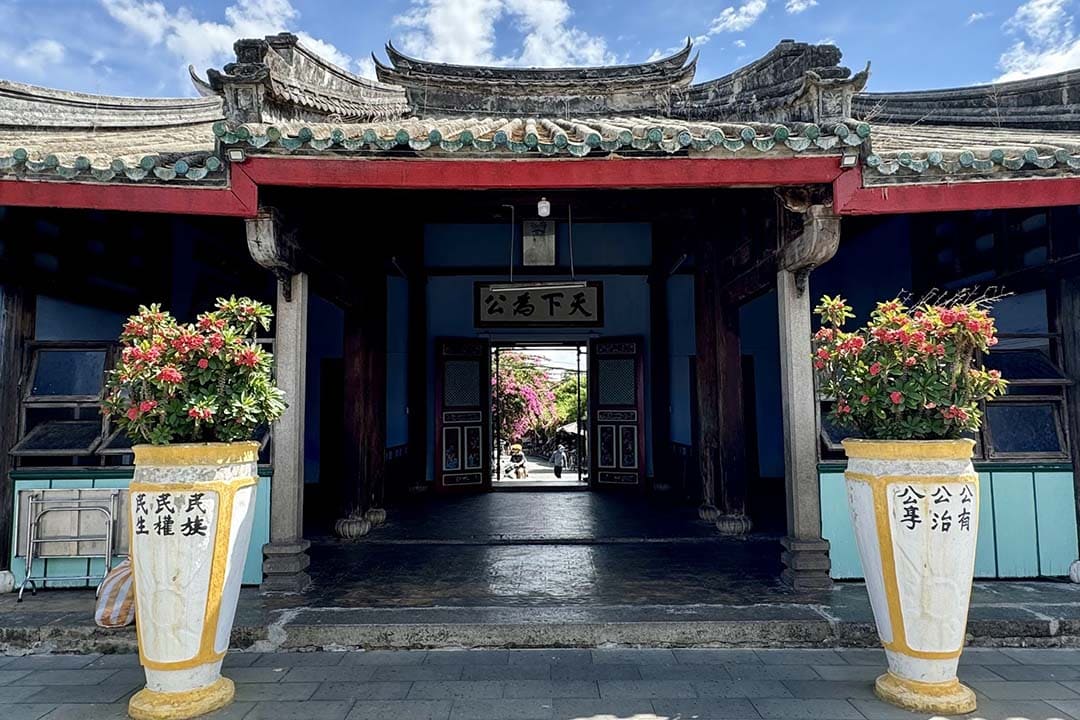
- Hoi An Ancient Town: Just a 15-minute walk away, this UNESCO World Heritage site is the main draw of the region. Explore its preserved merchant houses, Chinese assembly halls, and lantern-filled streets.
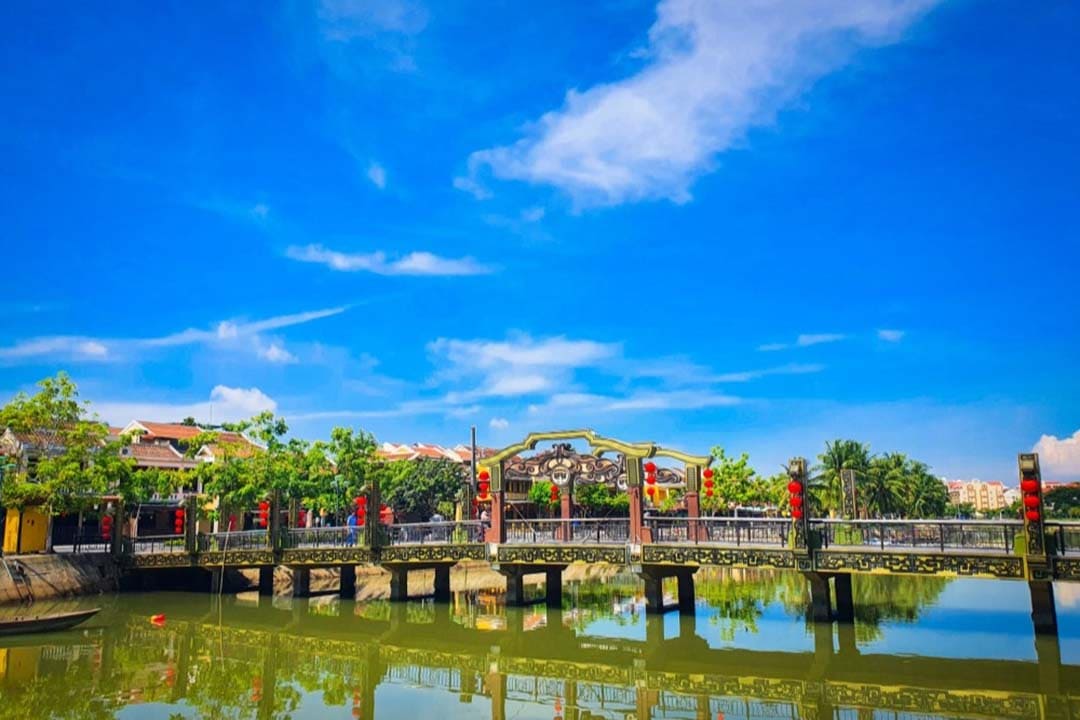
- Japanese Bridge Hoi An (Japanese Covered Bridge): An iconic 18th-century bridge and a symbol of Hoi An. It's located at the western end of the Ancient Town, making it a logical stop on your way to or from the pagoda.
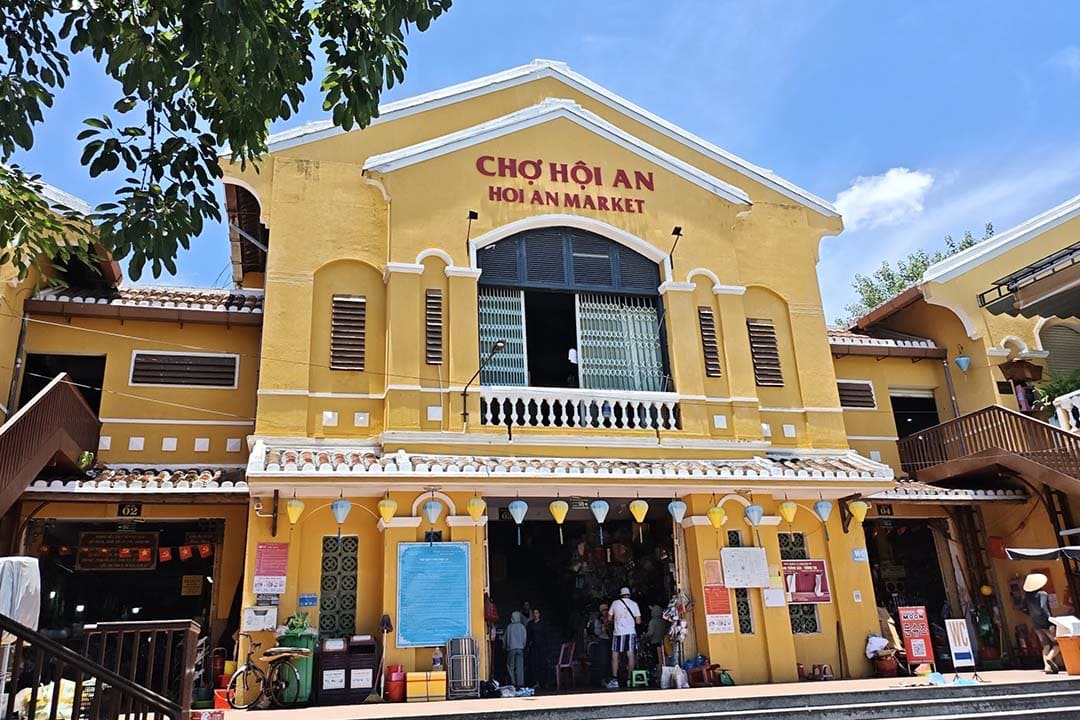
- Hoi An Central Market: Located on the banks of the Thu Bon River, this bustling market is a sensory explosion. It's the perfect place to witness local life, sample street food, and shop for souvenirs and fresh produce.
- Museum of Sa Huynh Culture: Situated in the Ancient Town, this museum showcases artifacts from the Sa Huynh civilization, the earliest inhabitants of the Hoi An area, offering fascinating historical context.
- Chuc Thanh Pagoda: Founded in the 15th century, this is one of Hoi An's oldest pagodas. Visiting it in addition to Vien Giac offers a compelling contrast between ancient and modern Buddhist architectural styles.

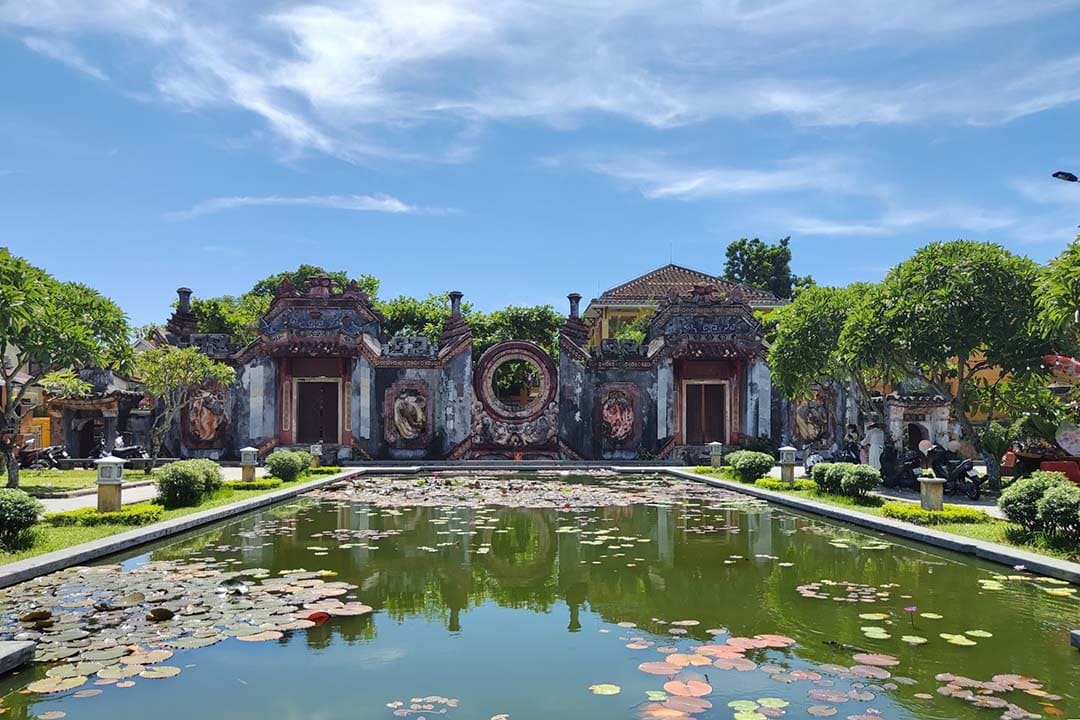
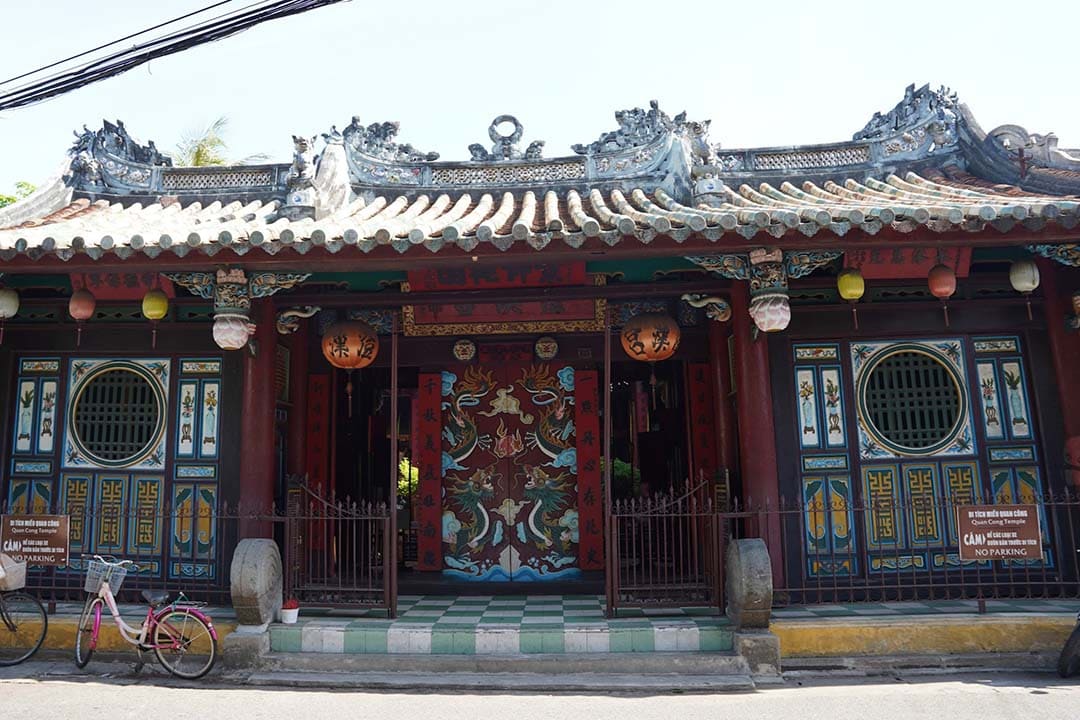
Hoi An Ancient has various famous attractions for visitors to explore combining with this pagoda
Practical tips for visitors
To ensure your visit to Vien Giac Pagoda is enjoyable and respectful, keep these essential tips in mind. As an active place of worship, proper etiquette is crucial.
- Dress code: Wear modest and respectful clothing that covers your shoulders and knees. Avoid shorts, short skirts, and tank tops. If you are unprepared, you may be denied entry to the main prayer hall.
- Behavior: Speak softly and avoid loud conversations or making noise. Monks live and worship here, so maintaining a quiet and peaceful demeanor is a sign of respect.
- Photography: Be mindful when taking photos. It is generally acceptable to photograph the exterior and courtyards, but avoid using flash inside the main hall. Always be discreet and refrain from taking pictures of monks or people praying up close.
- Donations: While entry is free, a small donation is greatly appreciated. You can leave a contribution in the donation boxes to help with the pagoda's maintenance and support the monastic community.
- Footwear: Be prepared to remove your shoes before entering the main sanctuary and other prayer areas. Look for the shoe racks provided near the entrance to the hall.
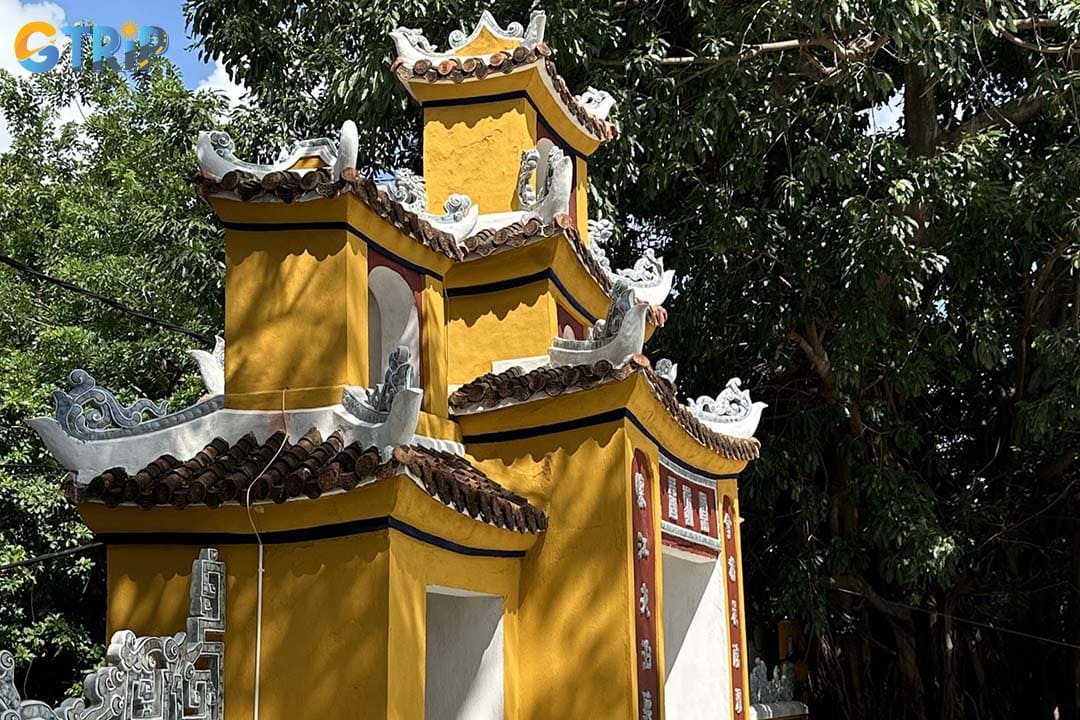
Remember practical tips to have a good trip to Vien Giac Pagoda
A visit to Vien Giac Pagoda offers a beautiful and enriching glimpse into the spiritual soul of Hoi An. It stands as a testament to the city’s living culture, a place where history, art, and devotion converge. By stepping away from the more crowded tourist paths, you are rewarded with an experience of peace and authenticity that beautifully complements the vibrant energy of the Ancient Town. We hope this GTrip guide helps you plan a memorable and respectful visit to this tranquil sanctuary and enriches your overall journey through the incredible city of Hoi An.