




Apr - 07 - 2026
Hoi An Ancestral Temple offers a rare and profound glimpse into the spiritual heart of one of Vietnam’s most cherished ancient towns. Unlike the bustling assembly halls and pagodas that line the streets of Hoi An, this sacred site remains a quiet testament to the town's origins, opening its doors only for significant cultural ceremonies. For travelers seeking something beyond the usual tourist experience, visiting during these special occasions offers a deeper connection to Hoi An’s authentic soul. It also highlights the town’s long-standing traditions of ancestor worship, an important part of Vietnamese culture. This comprehensive guide, crafted by the local experts at GTrip, provides everything you need to know about this unique landmark.
Overview of the Hoi An Ancestral Temple
- Address: No. 03 Le Loi Street, Hoi An Ancient Town, Minh An Ward (formerly part of Hoi An City, Quang Nam Province), Da Nang City
- Opening hours: Not open daily, accessible only during specific festivals and special events, such as Lunar New Year (Tet) and the annual commemoration of the founders' death anniversaries
- Entrance fee: Free
- Best time to visit: The "best time" to visit is entirely dependent on the local festival calendar. Visiting during a ceremony allows you to witness the temple in its full glory, vibrant with the scents of burning incense, the sight of elaborate offerings, and the sounds of traditional rites. The atmosphere is solemn yet communal, providing an authentic cultural immersion that is impossible to experience on a normal day.
The Hoi An Ancestral Temple, known locally as Hoi An Tien Tu, is a place of deep reverence dedicated to the founding ancestors who first established the village that would become the vibrant trading port of Hoi An. Its significance lies not in daily worship but in its role as the central point for major community-wide rituals and festivals. Because it is a dedicated place of ancestor worship for the original Vietnamese families rather than a public pagoda, it is not open to the public on a daily basis. Access is a special privilege granted during important cultural events throughout the year. This exclusivity makes any opportunity to step inside a truly special event, offering a view into the living traditions that define this UNESCO World Heritage Site.
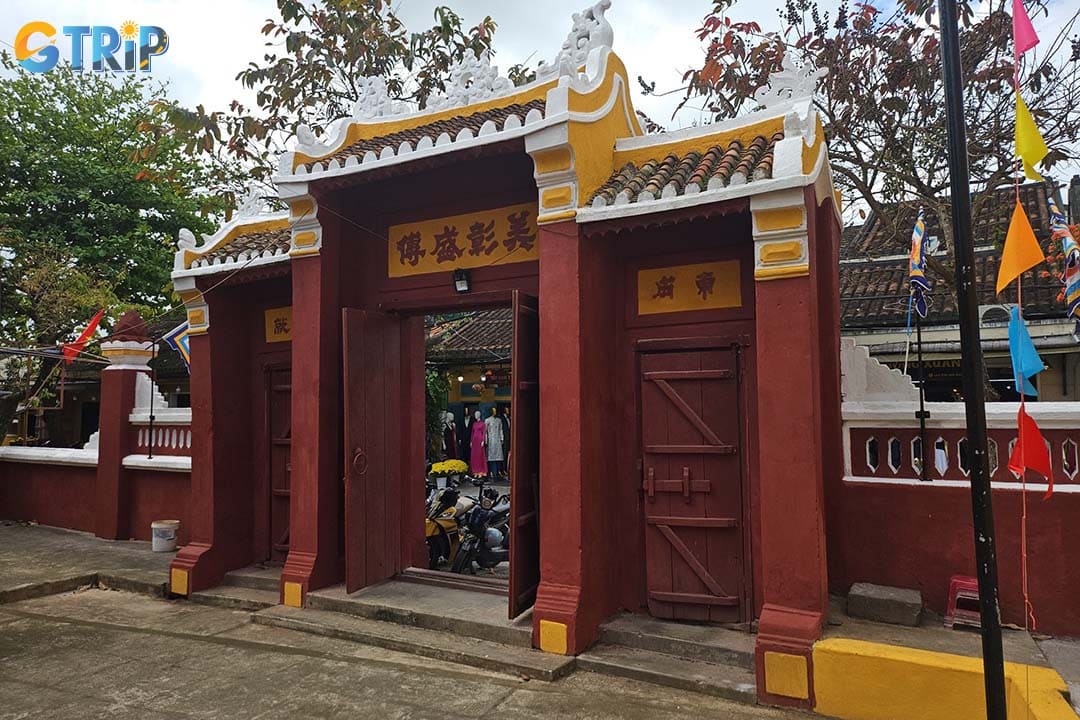
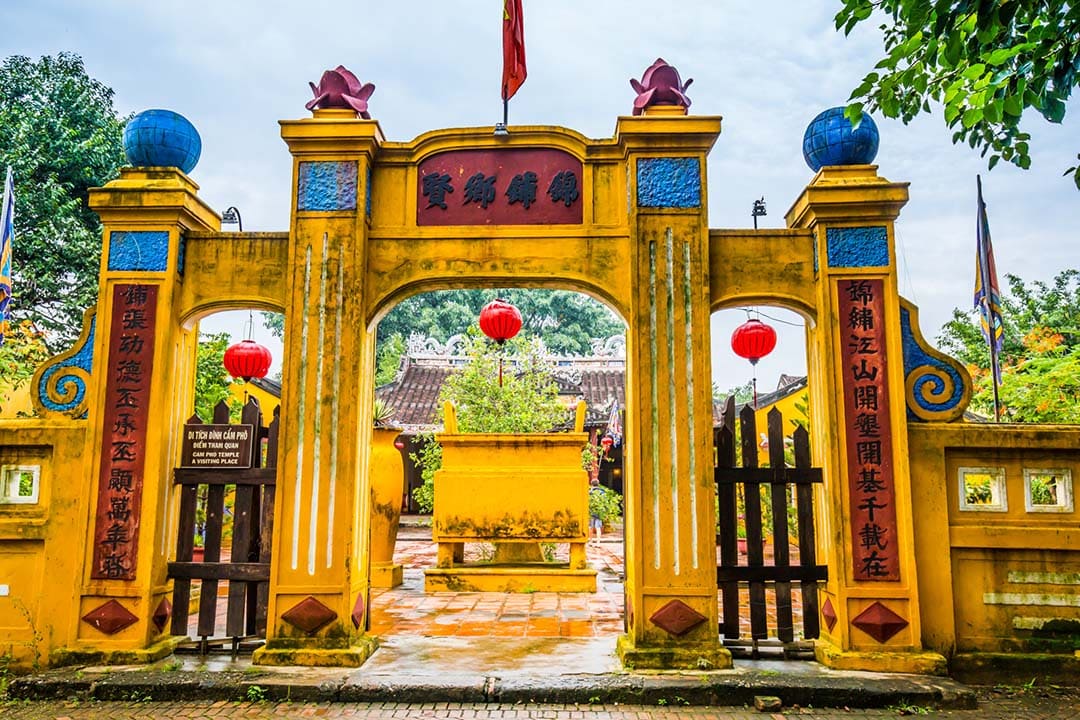
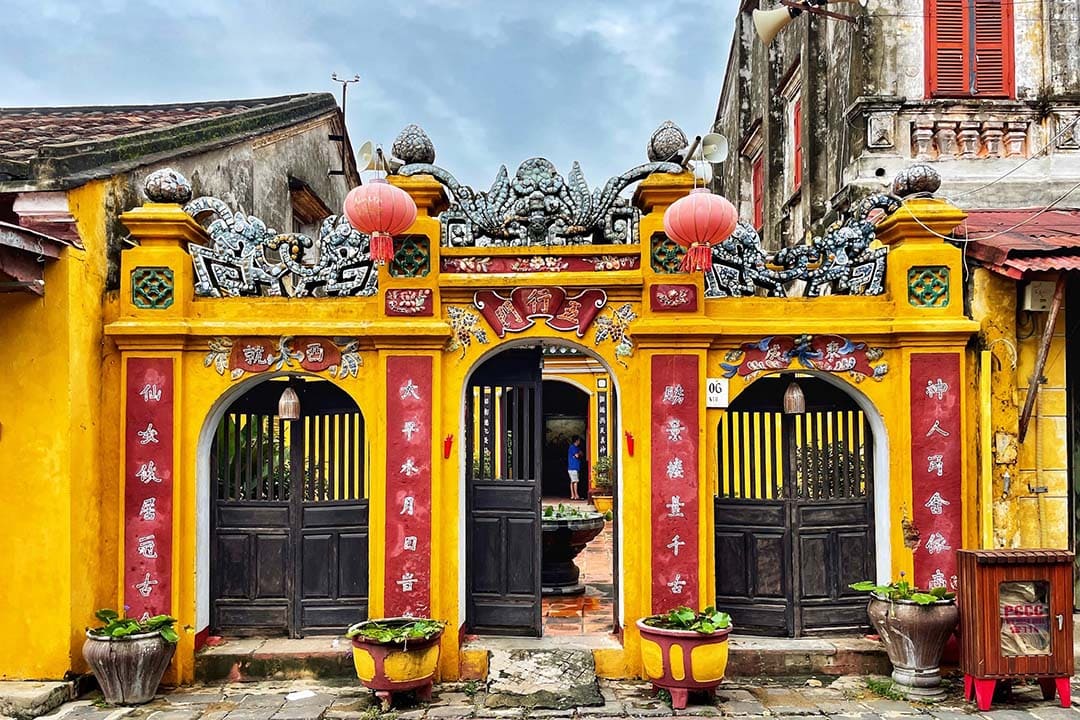
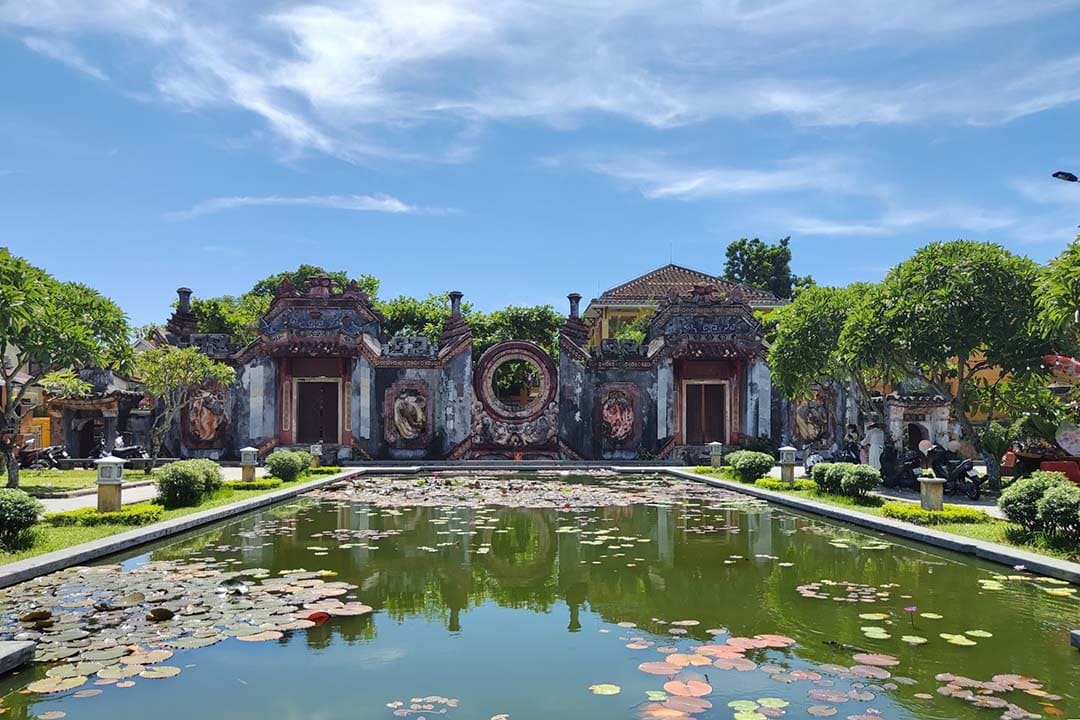
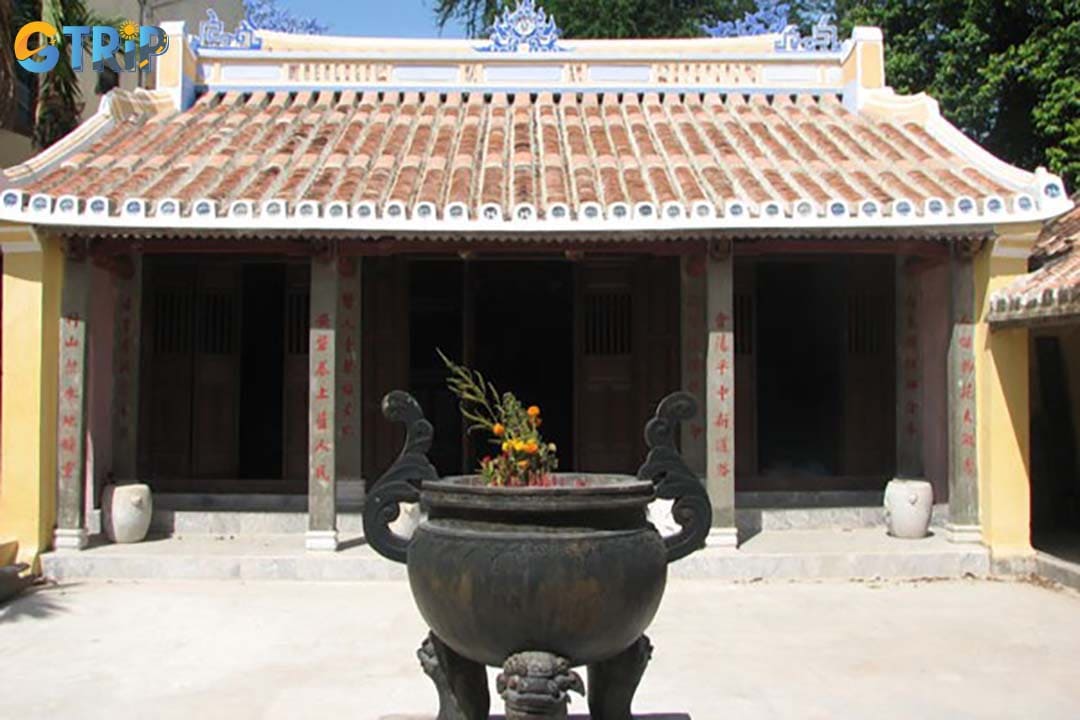
The Hoi An Ancestral Temple is a place of deep reverence dedicated to the founding ancestors
History of the Hoi An Ancestral Temple
The history of the Hoi An Ancestral Temple is deeply intertwined with the very foundation of the town itself. Established centuries ago by the first settlers from Northern Vietnam, this sacred site stands as a testament to the enduring spirit and cultural heritage of the local community. To understand the significance of this temple, let's trace back the key milestones that shaped its historical journey.
- Early 17th century: Migrants from Northern Vietnam arrived and established Hoi An village, which translates to "peaceful meeting place". This small settlement eventually gave its name to the entire bustling trading port town we know today.
- The 17th century: According to many historians, this was the period when the original Ancestral Temple was first founded to worship the ancestors of the villagers in what is now Minh An Ward.
- The 19th century: While the temple's roots are older, inscriptions on the wooden frames confirm that the current structure was built during the reign of Emperor Minh Mang. It was designed to honor the founding pioneers and also those who contributed to the village’s later development.
- 1911 & 1921: These years marked significant periods of restoration for the temple, ensuring that the architectural integrity and spiritual sanctity of the site were preserved for future generations.
Architecture of the Hoi An Ancestral Temple
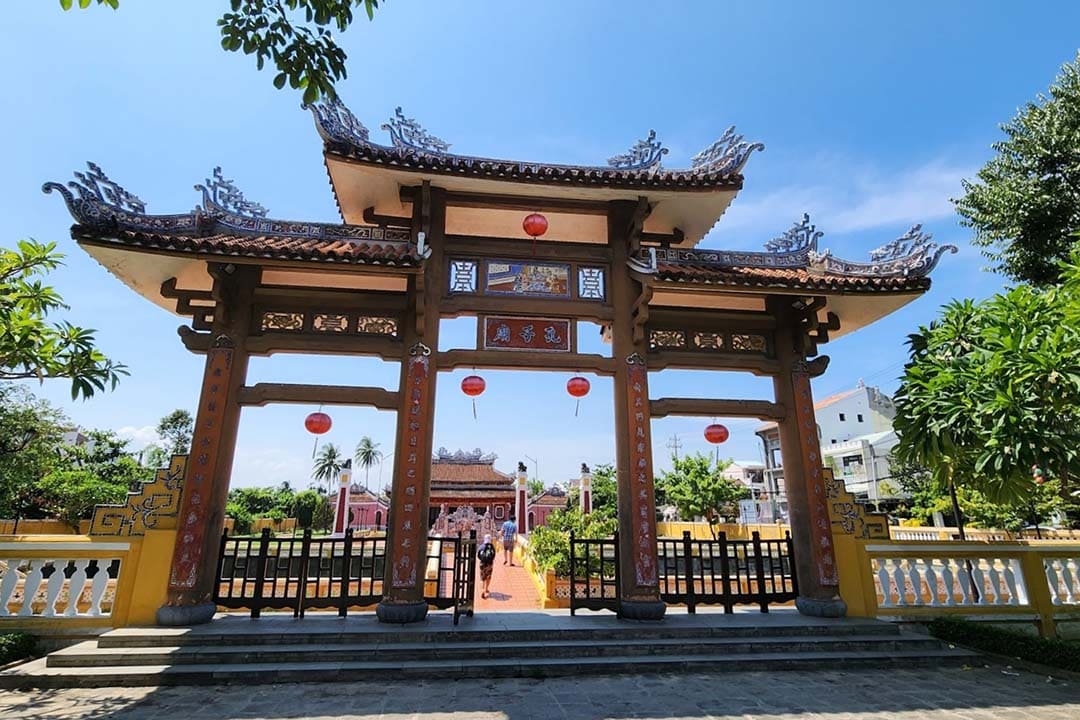
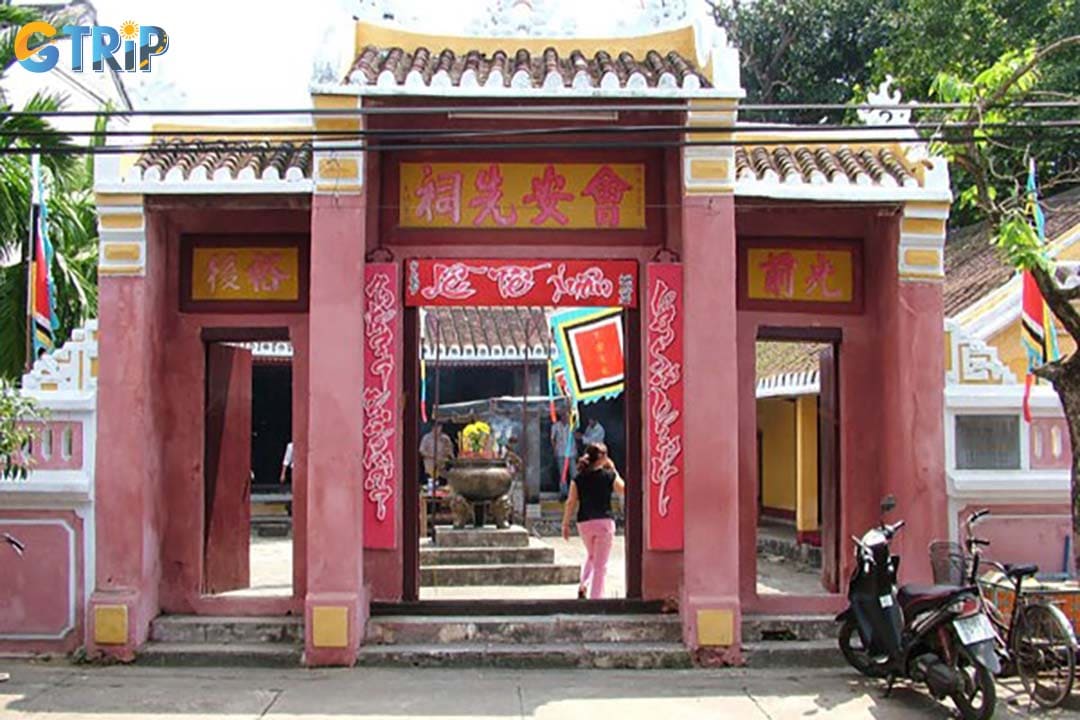
The Hoi An Ancestral Temple is a prime example of traditional Vietnamese spiritual architecture. The complex is thoughtfully laid out with a tam quan (three-entrance) gate, a central main hall, a prayer area, and a serene inner courtyard. Complementing the main structure are the East and West houses, which serve various functional and ceremonial purposes.
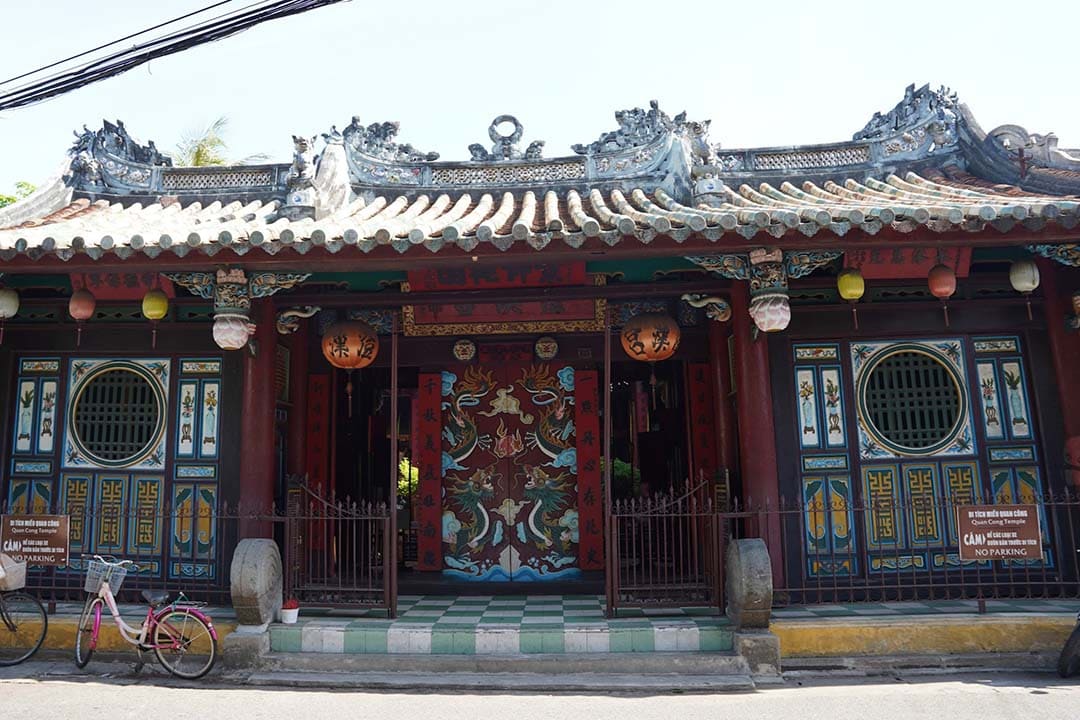
The entire temple is constructed from bricks and roof tiles, supported by a robust system of wooden columns. A striking feature of the architecture is the vibrant red paint applied to the exterior and interior, symbolizing a sacred and solemn space. This color choice, combined with the classic Nguyen Dynasty craftsmanship, creates an atmosphere of timeless reverence.
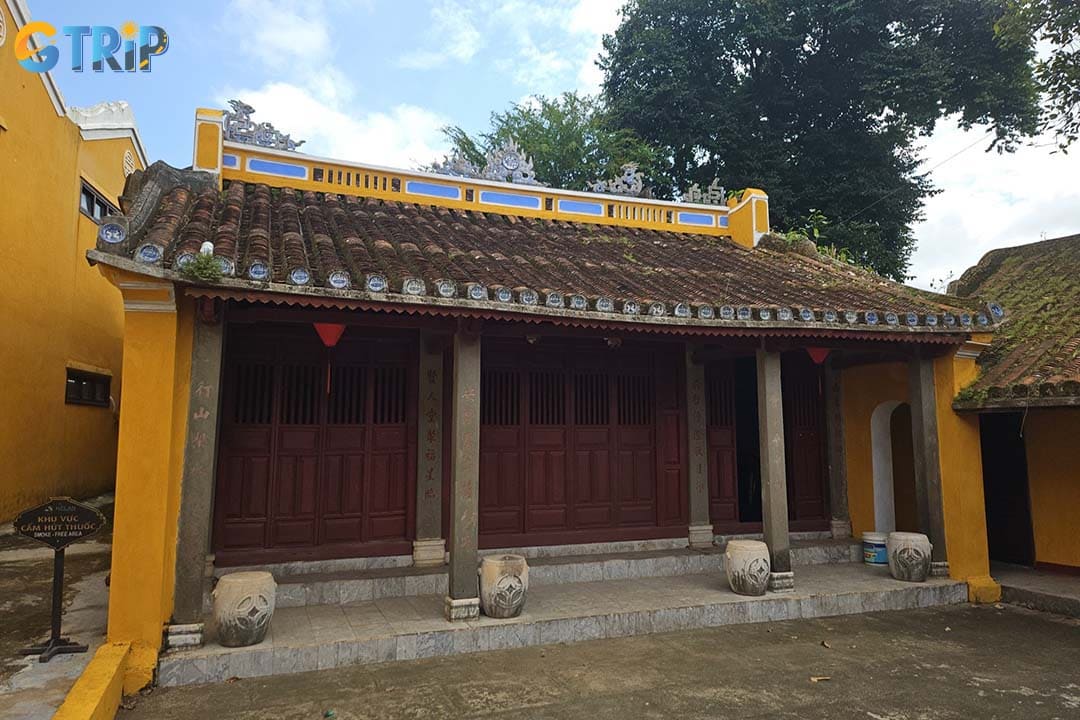
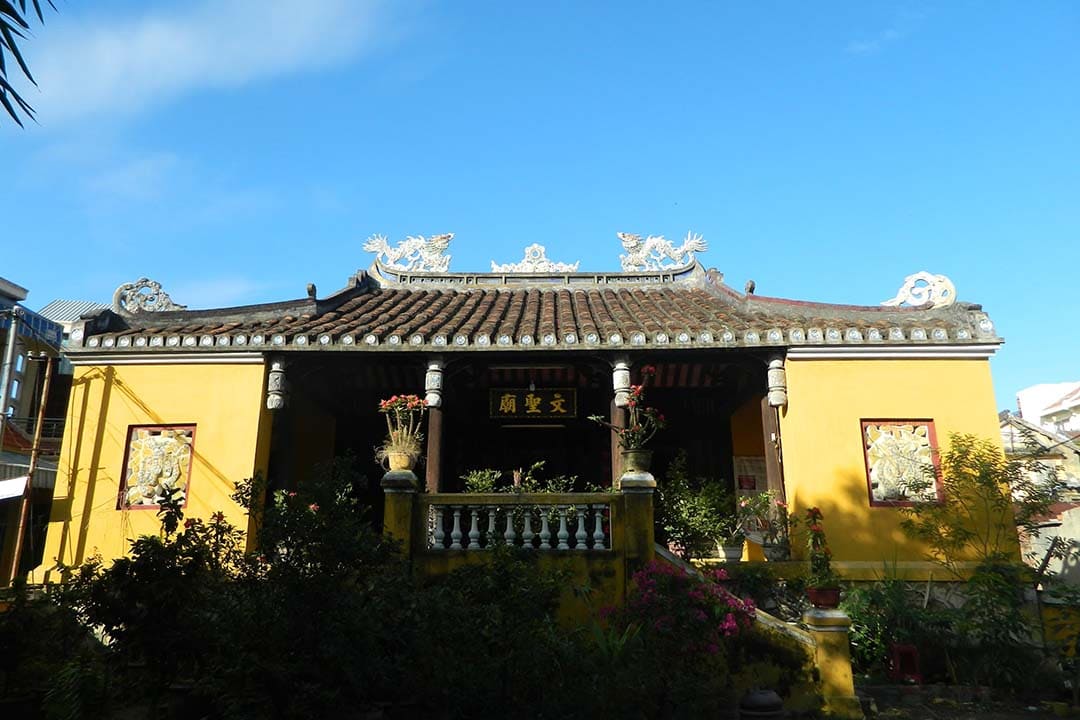
The Hoi An Ancestral Temple is constructed from bricks and roof tiles
Things to do at Hoi An Ancestral Temple
Beyond its historical value, the temple offers a variety of experiences for those looking to connect with Hoi An’s local heritage. Here are the highlights for your visit.
1. Explore the sacred ancestral altars
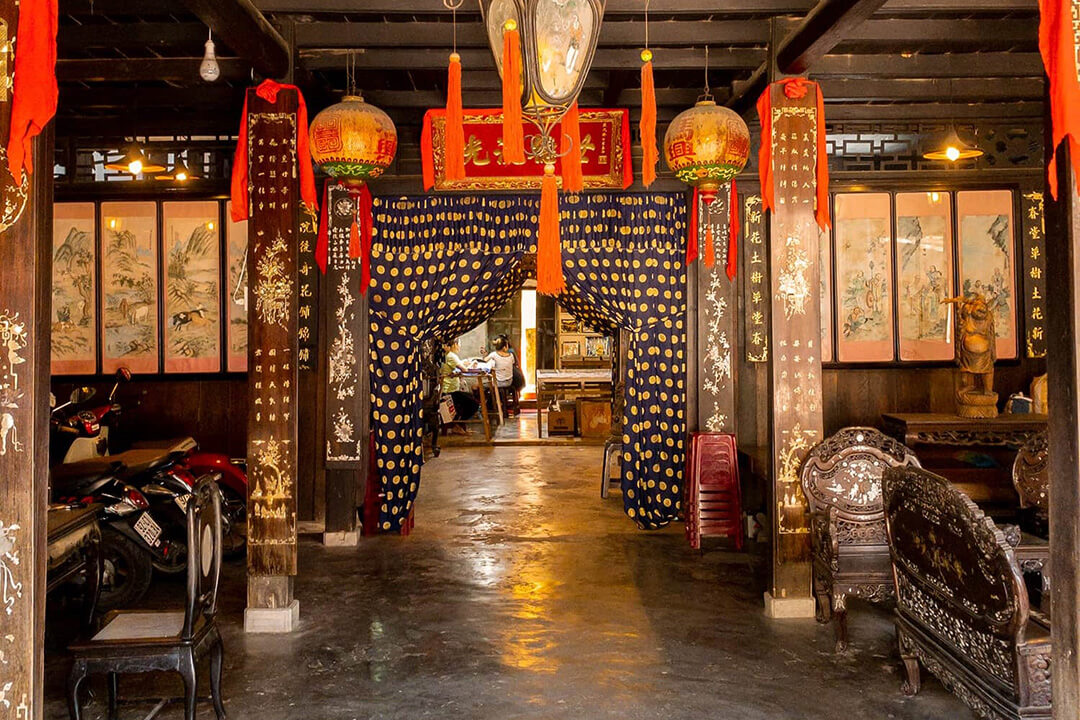
Step inside the main hall to discover beautifully arranged ancestral altars decorated with incense, candles, and traditional offerings. Each altar tells a story about the founding families of Hoi An and reflects the deep respect for lineage and heritage in Vietnamese culture. As you observe the rituals and setup, you will gain a better understanding of ancestor worship as a core spiritual practice.
2. Attend the Spring and Autumn festivals
To experience the temple at its most vibrant, plan your visit during the major annual ceremonies held twice a year. The Spring Festival and Autumn Festival feature traditional rituals, ceremonial offerings, and gatherings of local families. These events provide a rare opportunity to witness authentic customs that have been preserved for generations.
3. Appreciate the traditional red architecture
The temple’s striking red walls and classic tiled roofs make it one of the most visually distinctive cultural sites in Hoi An. Intricate carvings on wooden pillars and decorative details throughout the structure showcase the craftsmanship of past artisans. Walking through the space allows you to appreciate a traditional architectural style that has stood the test of time.
4. Capture cultural photographs in ao dai
The temple offers a beautiful and culturally rich backdrop that is perfect for photography. Many visitors choose to wear the ao dai to capture elegant and meaningful photos that reflect Vietnamese traditions. The combination of heritage architecture and traditional attire creates timeless images while still respecting the sacred atmosphere.
5. Relax and reflect in the quiet courtyard
The temple’s courtyard provides a peaceful spot and shaded space where you can take a break from the busy streets of Hoi An. With benches and open surroundings, it is a comfortable place to sit, relax, and reflect on what you have experienced. This peaceful setting allows you to slow down and fully appreciate the spiritual and cultural significance of the site.
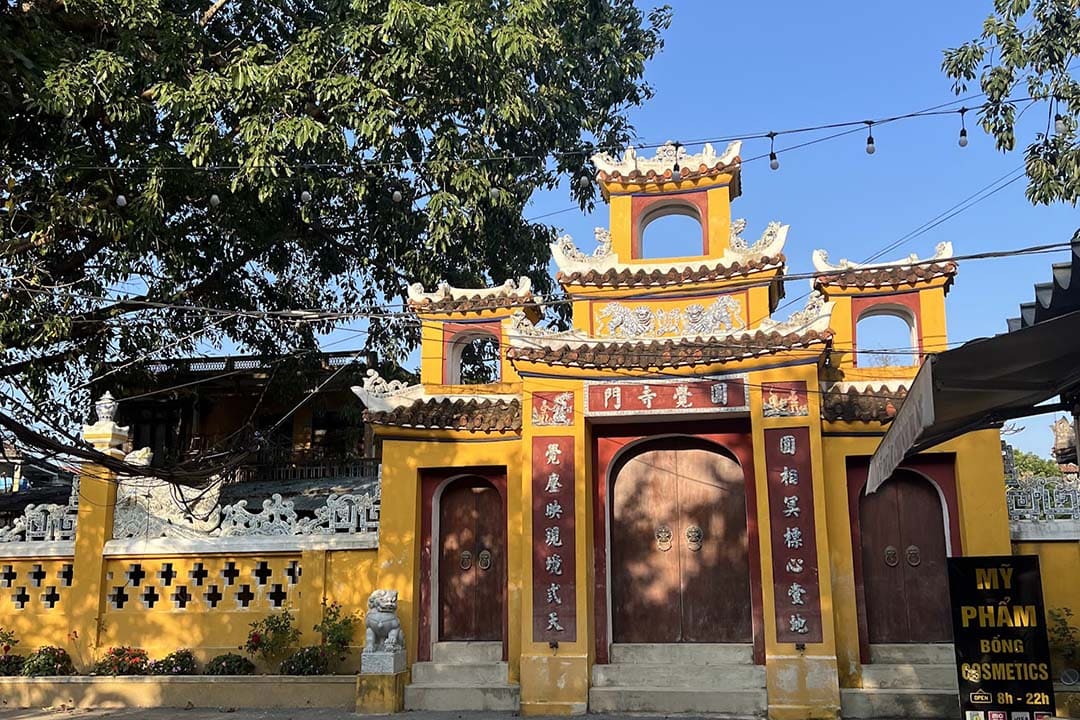
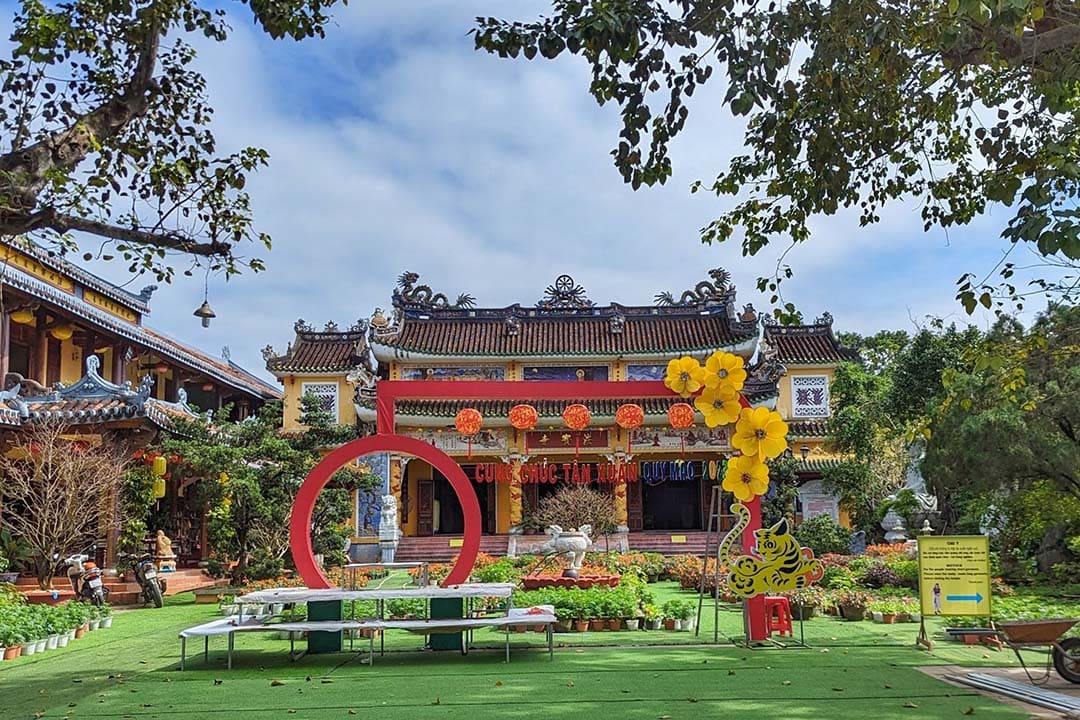
Hoi An Ancestral Temple offers a variety of experiences
How to get to Hoi An Ancestral Temple?
Located at 03 Le Loi Street in the heart of the Hoi An Ward, the Hoi An Ancestral Temple is one of the most accessible historical landmarks in the region. Reaching this temple is straightforward with various convenient transportation modes available.
From Da Nang International Airport
Traveling from the airport to the temple is a straightforward journey along the scenic coastal route. Most travelers prefer a direct transfer to save time and enjoy the comfort of an air-conditioned vehicle before starting their walking tour in Hoi An.
- Distance: Approximately 30 km
- Travel time: 45-60 minutes
- Routes: Lac Long Quan or Vo Nguyen Giap coastal roads
- Optimal option: Private car or taxi for a hassle-free arrival
From Da Nang City center
If you are starting from Da Nang City, you can easily reach the temple via several main roads. This route is popular for day-trippers who want to combine a visit to the Marble Mountains with the historical sites of Hoi An.
- Distance: 30 km
- Travel time: 45 minutes
- Routes: Le Van Hien Street or the Da Nang - Hoi An highway
- Optimal option: Grab car or self-drive motorbike for flexibility
From around Hoi An Ancient Town
Located at 03 Le Loi Street, the temple is situated right in the heart of the Minh An ward. It is exceptionally easy to reach if you are already exploring the UNESCO World Heritage area, as it sits near the edge of the pedestrian zone.
- Distance: Short walking distance within the town center
- Travel time: 5-10 minutes
- Routes: Le Loi Street
- Optimal option: Walking or cycling for the most immersive experience
Transportation options
The temple’s location allows for various transport modes. Unlike the inner pedestrian core, motorbikes can access this street throughout the day, while larger vehicles like cars and buses have specific drop-off points nearby.
- Motorbike: Can be driven directly to the gate at any time of day.
- Private car: Recommended to stop at the Hoi An Museum of History and Culture nearby. The most convenient way for the Da Nang to Hoi An transfer is offering door-to-door service.
- Ride-hailing apps/Taxi: Grab/XanhSM is widely available and usually more affordable than traditional taxis for the trip from Da Nang.
- Bicycle: The quintessential Hoi An experience. Renting a bicycle is perfect for exploring the areas just outside the pedestrian zone and the surrounding countryside.
- Cyclo: For a leisurely tour around the perimeter of the Ancient Town, a cyclo ride offers a classic, relaxed perspective, though it's more of a tour than a direct transport method.
- Walking: Most convenient for those staying in Minh An or Son Phong wards.
You can reach Hoi An Ancestral Temple by many transportation options
Nearby attractions to the Hoi An Ancestral Temple
The temple’s location on Le Loi Street places it within a few minutes' walk of Hoi An’s most iconic sites. After your visit, you can easily explore other key attractions that make up the rich tapestry of the Ancient Town.
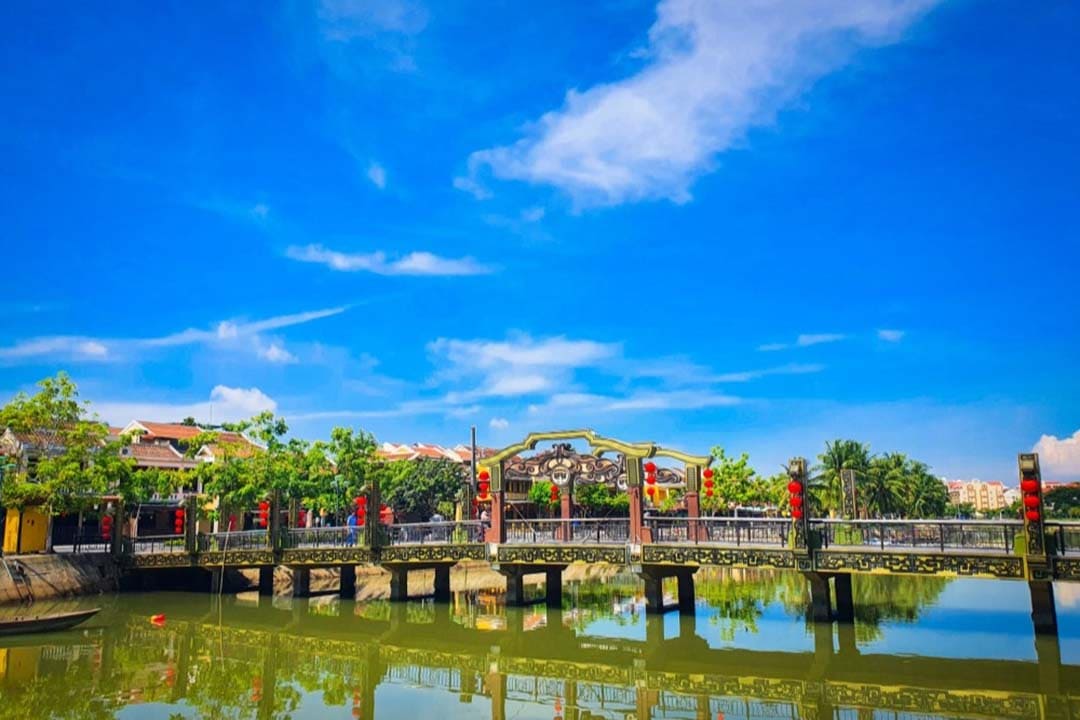
- Japanese Covered Bridge (Chua Cau): This 18th-century bridge is the undeniable symbol of Hoi An, featuring a small temple inside and beautiful, intricate architecture.
- Tan Ky Old House: A beautifully preserved 200-year-old merchant's house, showcasing a unique blend of Vietnamese, Chinese, and Japanese architectural styles.
- Phuc Kien (Fukian) Assembly Hall: The grandest and most famous of the Chinese Assembly Halls, dedicated to the sea goddess Mazu, with stunning gates, statues, and courtyards.
- Hoi An Central Market: A bustling, vibrant market on the banks of the Thu Bon River where you can experience local life, sample delicious street food, and shop for fresh produce and souvenirs.
- Museum of History and Culture: Located in the Quan Am Pagoda, this museum offers artifacts and exhibits that trace Hoi An's history from its Sa Huynh culture origins to its peak as a trading port.
- Cantonese Assembly Hall (Quang Trieu): Another impressive assembly hall known for its magnificent dragon fountain and detailed ceramic reliefs depicting scenes from Chinese mythology.
- Precious Heritage Art Gallery Museum: A fascinating gallery by French photographer Rehahn, showcasing the diverse traditional costumes and stories of Vietnam's 54 ethnic groups.
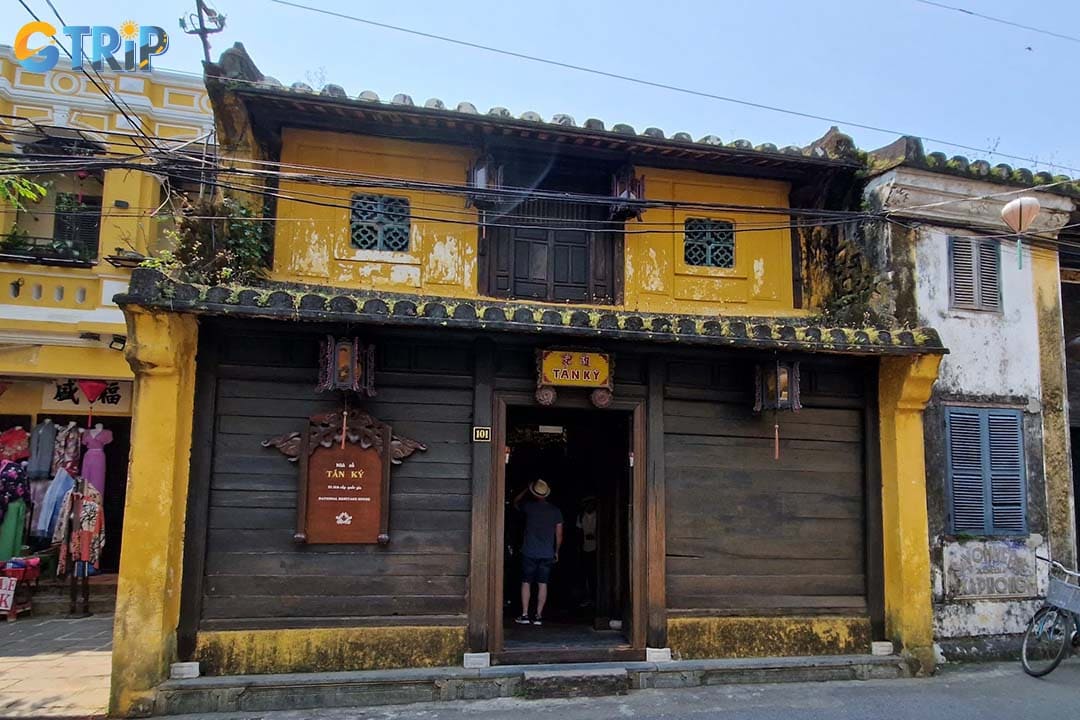
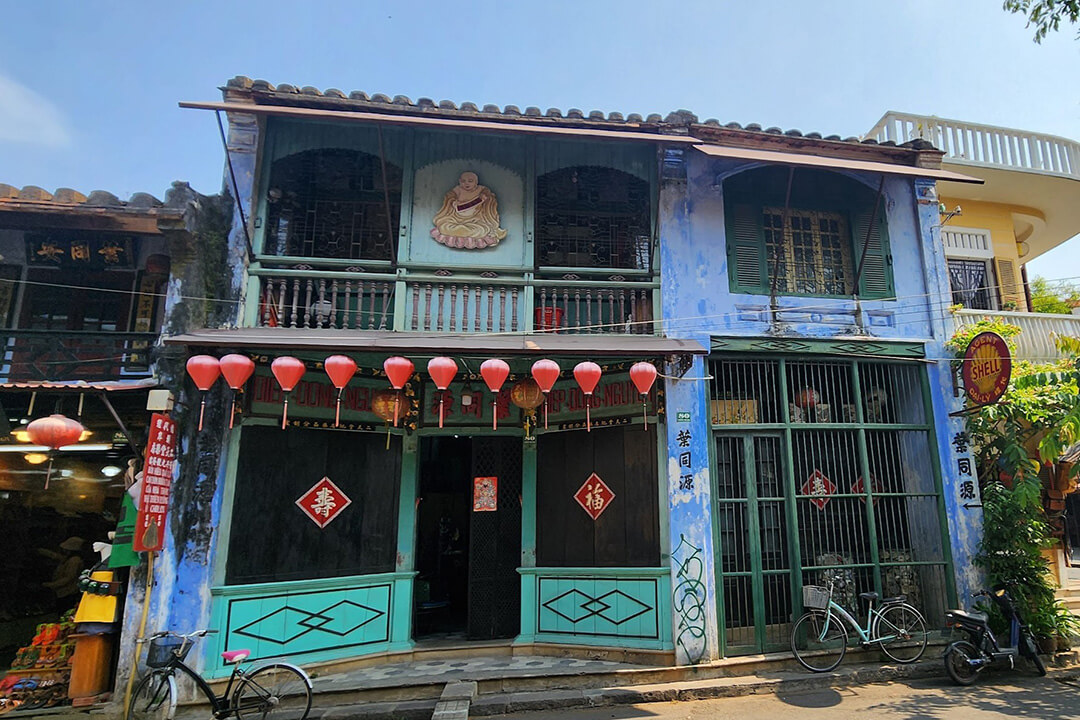
You can visit the nearby Tan Ky Old House for an amazing experience
Practical tips for visitors
To ensure a respectful and enjoyable visit to this sacred site, keep these practical tips in mind:
- Entrance fee: Admission is completely free of charge.
- Dress code: This is a spiritual site, so please dress modestly. Ensure your shoulders and knees are covered (no tank tops or short skirts). Wearing an Ao Dai is highly encouraged and looks beautiful in photos.
- Weather preparedness: In the dry season (Feb-Aug), bring sunscreen and water. In the rainy season (Sep-Jan), carry an umbrella and check for potential flooding updates, especially from October to December.
- Cash: Bring small change for local purchases or if you wish to use the restroom (usually a 10,000 VND fee for maintenance).
- Local guide: To truly understand the inscriptions and family histories, consider hiring a local guide.
The Hoi An Ancestral Temple is far more than just another historical building in a town full of them. It is the keeper of Hoi An’s origin story. While many visitors flock to the more accessible assembly halls and pagodas, the opportunity to visit this specific temple during a ceremony offers a truly exclusive and authentic travel experience. It represents a direct connection to the foundational Vietnamese culture that predates the international influences Hoi An is famous for. At GTrip, we encourage you to seek out these rare moments. Planning your trip around a local festival could transform your visit from a simple holiday into a deeply meaningful cultural journey.